Leveraging Technology and Incentives to Tackle Depression Care
Depression is a major contributor to mortality, morbidity, disability, and economic costs in the United States. In 2021, 8.3% of US adults, or about 21 million people, had at least one major depressive episode (MDD), resulting in an economic burden of $ 382.4 billion. Medication nonadherence is high, around 50%, with high rates of unfilled scripts and treatment dropout.
The Challenges of Managing Depression
- Lack of motivation: Depression itself can reduce motivation, making it difficult for individuals to engage in activities like taking medication, attending therapy sessions, or practicing self-care routines. Even simple tasks can feel overwhelming.
- Symptoms of depression: The very nature of depression—persistent feelings of sadness, hopelessness, and low energy—can lead to non-adherence to treatment plans. For example, patients may skip therapy appointments or forget to take their medication because they don’t feel the energy to do so.
- Stigma: Mental health conditions, including depression, can be heavily stigmatized, which may discourage patients from seeking help or continuing with their treatment. The fear of being judged can create a sense of isolation, which further exacerbates the condition.
- Lack of immediate feedback: Unlike physical illnesses, the benefits of managing depression may not be immediately visible. As a result, patients may struggle to see the progress they’re making, leading to discouragement and disengagement.
Given these challenges, a major question remains: How do we keep individuals engaged in their treatment and motivated to persist, especially when depression itself makes everything feel more difficult? Technology-based incentives may hold the key.
The Power of Technology in Depression Care
Over the past decade, the rise of digital health technologies has transformed how we approach mental health care. From mobile apps and teletherapy platforms to wearable devices that track mood and physical activity, technology now plays a central role in helping individuals manage depression. These digital tools offer various benefits, including:
- Real-time monitoring: Apps and wearables can track mood, sleep patterns, physical activity, and other relevant metrics. This allows patients and healthcare providers to get a clearer picture of how the individual is progressing and where interventions may be necessary.
- Teletherapy: Virtual therapy platforms and telemedicine make it easier for individuals to access professional support without the barriers of travel or wait times, allowing for more frequent check-ins and a consistent treatment plan.
- Personalized care: AI-driven tools and algorithms can offer personalized recommendations based on an individual’s specific needs, mood patterns, and progress. These tools can suggest exercises, coping strategies, or changes to the treatment plan that can enhance outcomes.
- Behavioral interventions: Some apps incorporate behavioral techniques, such as cognitive-behavioral therapy (CBT), mindfulness exercises, or mood tracking, helping individuals develop skills to manage negative thoughts and feelings.
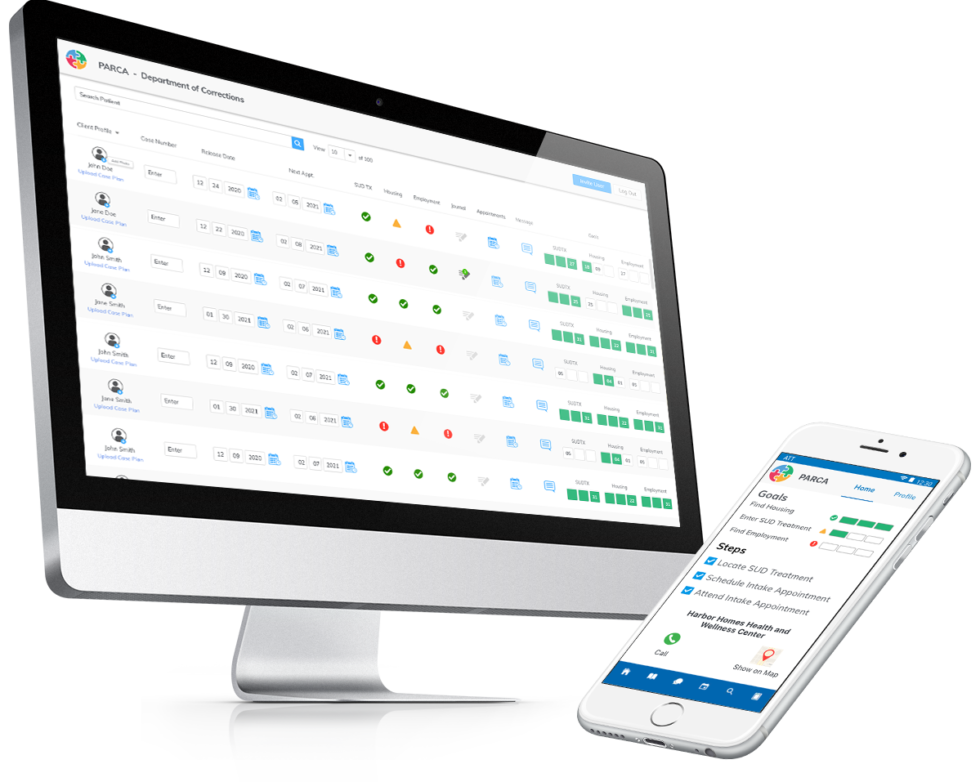
However, despite these advancements, motivation remains a critical obstacle. This is where CMI’s incentive-based technology is particularly effective. By using rewards to encourage engagement with treatment, CMI’s platform helps individuals overcome the inertia caused by depression and foster more consistent adherence to their treatment plans.