Solving Stimulant Use Disorder Treatment with Technology and Incentives
Stimulant Use Disorder (StUD) is on the rise across the United States, leading to severe physical, psychological, and social consequences. In 2022, more than 10.2 million people aged 12 and older misused stimulants—a class of drugs that includes cocaine, methamphetamine, and prescription stimulants such as attention-deficit/hyperactivity disorder (ADHD) medications. This is an increase of 8.63% from 2021, when the number was 9.4 million. The upward trend has coincided with increasing fentanyl deaths that involve the co-use of stimulants. In 2010, less than 1% of these fatal overdoses involved stimulants—by 2021, that rate had jumped to 32%.
The use of more than one substance, or polysubstance use, is common among people who use drugs. In many cases, combined opioid and stimulant use is intentional, with the user either co-administering the drugs simultaneously or using opioids and stimulants at different times.On occasion, the combined use is accidental, with a stimulant contaminated with fentanyl. However, they are combined, opioids and stimulants taken together increase overdose risk, especially for people who use stimulants but don’t regularly use opioids.5
Despite the availability of behavioral therapies and harm-reduction strategies, managing stimulant addiction remains challenging due to high relapse rates, cravings, and the absence of FDA-approved medication-assisted treatments.
A proven, evidence-based approach to improving treatment outcomes is the integration of incentive-based interventions to support individuals in their recovery. By addressing the psychological and logistical barriers to treatment adherence, incentives offer a powerful tool for improving engagement and long-term recovery outcomes.
Challenges in Managing Stimulant Use Disorder
Stimulant addiction presents unique challenges that make sustained recovery difficult:
- Intense Cravings and High Relapse Rates: Stimulants significantly impact the brain’s reward system, leading to powerful cravings that can persist long after cessation. These cravings often drive relapse, making sustained engagement in treatment crucial.
- Lack of Medication-Assisted Treatment (MAT): Unlike opioid addiction, where medications like methadone or buprenorphine can help manage withdrawal and cravings, stimulant addiction has no FDA-approved medication-assisted treatment, making behavioral interventions the primary approach.
- Co-Occurring Mental Health Disorders: Many individuals with StUD also experience depression, anxiety, or trauma, which can complicate recovery and reduce motivation to engage in treatment.
- Stigma and Social Isolation: The stigma associated with stimulant addiction can discourage individuals from seeking or remaining in treatment. The fear of judgment from healthcare providers, family, or employers can lead to disengagement from care.
- Lack of Immediate Reinforcement: Recovery from stimulant addiction is a gradual process, and without immediate rewards for progress, individuals may struggle to stay motivated and engaged in treatment.
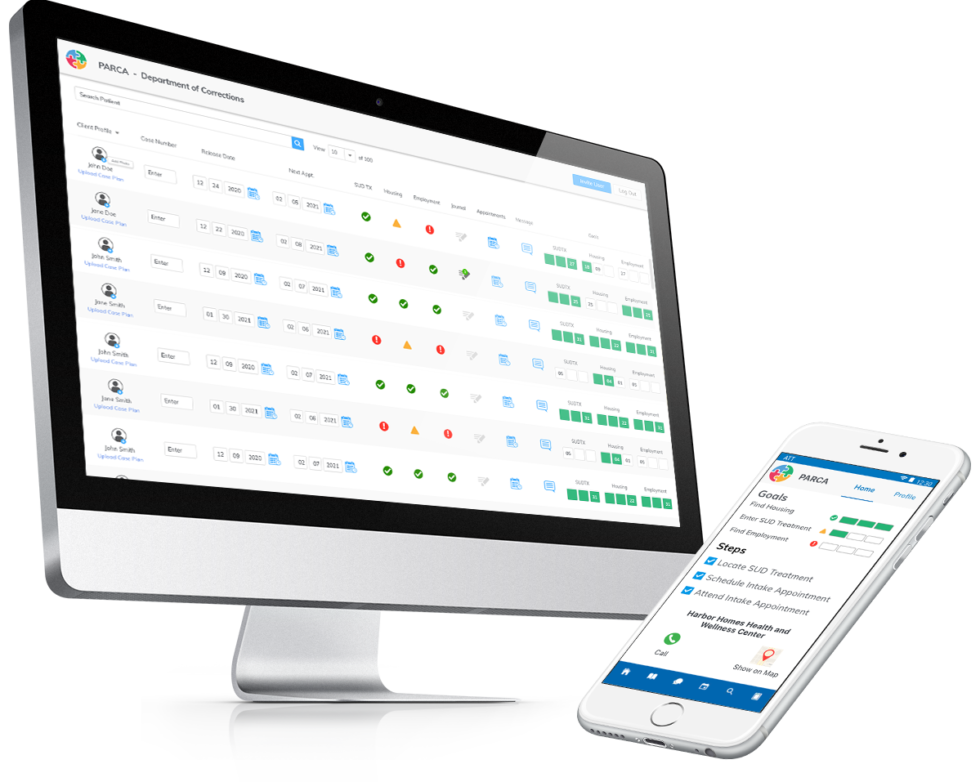
Given these challenges, leveraging technology to provide incentives for treatment adherence is a game-changer for individuals recovering from stimulant addiction.
The Role of Technology in Stimulant Use Disorder
Stimulant addiction presents unique challenges that make sustained recovery difficult:
- Intense Cravings and High Relapse Rates: Stimulants significantly impact the brain’s reward system, leading to powerful cravings that can persist long after cessation. These cravings often drive relapse, making sustained engagement in treatment crucial.
- Lack of Medication-Assisted Treatment (MAT): Unlike opioid addiction, where medications like methadone or buprenorphine can help manage withdrawal and cravings, stimulant addiction has no FDA-approved medication-assisted treatment, making behavioral interventions the primary approach.
- Co-Occurring Mental Health Disorders: Many individuals with StUD also experience depression, anxiety, or trauma, which can complicate recovery and reduce motivation to engage in treatment.
- Stigma and Social Isolation: The stigma associated with stimulant addiction can discourage individuals from seeking or remaining in treatment. The fear of judgment from healthcare providers, family, or employers can lead to disengagement from care.
- Lack of Immediate Reinforcement: Recovery from stimulant addiction is a gradual process, and without immediate rewards for progress, individuals may struggle to stay motivated and engaged in treatment.
Given these challenges, leveraging technology to provide incentives for treatment adherence is a game-changer for individuals recovering from stimulant addiction.