Using Technology and Incentives to Overcome OUD Treatment
Opioid Use Disorder (OUD) is a serious and widespread condition affecting millions of individuals across various demographics. In 2022 an estimated 6.1 million people reported having an opioid use disorder. The US economic cost of OUD in 2017 totaled $1,021 billion.
It is characterized by the compulsive use of opioids despite harmful consequences, leading to severe health risks, including overdose and death. Managing OUD requires a comprehensive approach, including medication-assisted treatment (MAT), counseling, and behavioral interventions. However, adherence to treatment remains a major challenge.
One promising innovation in improving OUD care is the integration of technology with incentive-based strategies to encourage individuals to stay engaged with their treatment plans. This approach helps address the psychological and logistical barriers that often hinder recovery while providing motivation for individuals struggling with adherence. Technology-driven incentives offer a powerful tool for improving outcomes and enhancing the quality of life for individuals with OUD.
The Challenges of Managing OUD
OUD is a chronic condition that often requires long-term treatment, making consistent engagement in therapy and medication adherence essential for recovery. However, several barriers make it difficult for individuals to maintain their treatment plans:
- Lack of motivation: Many individuals with OUD struggle with motivation, particularly in early recovery. Withdrawal symptoms, cravings, and the emotional toll of addiction can make it difficult to prioritize treatment.
- Psychological and emotional struggles: Depression, anxiety, and trauma often co-occur with OUD, making adherence to treatment even more challenging. Without immediate positive reinforcement, individuals may disengage from their care plans.
- Stigma and isolation: The stigma surrounding opioid addiction can discourage individuals from seeking treatment or remaining engaged in care. Fear of judgment from healthcare providers, employers, or loved ones can create additional barriers to recovery.
The Power of Technology in OUD Treatment
The rise of digital health technology has transformed the way we approach addiction treatment. From mobile health apps and telehealth services to wearable monitoring devices and digital recovery platforms, technology is playing a crucial role in supporting individuals with OUD. These digital tools offer various benefits, including:
- Real-time monitoring: Mobile apps and wearable devices can track medication adherence, withdrawal symptoms, and emotional well-being, allowing healthcare providers to intervene when necessary.
- Telemedicine access: Virtual appointments and digital counseling platforms enable individuals to receive support without the barriers of transportation, stigma, or scheduling conflicts.
- Personalized care plans: AI-driven technology can provide tailored recommendations based on an individual’s progress, offering behavioral strategies, reminders, and relapse prevention tools.
- Behavioral interventions: Many digital platforms integrate evidence-based behavioral therapies, such as cognitive-behavioral therapy (CBT), contingency management, and mindfulness exercises, to support recovery.
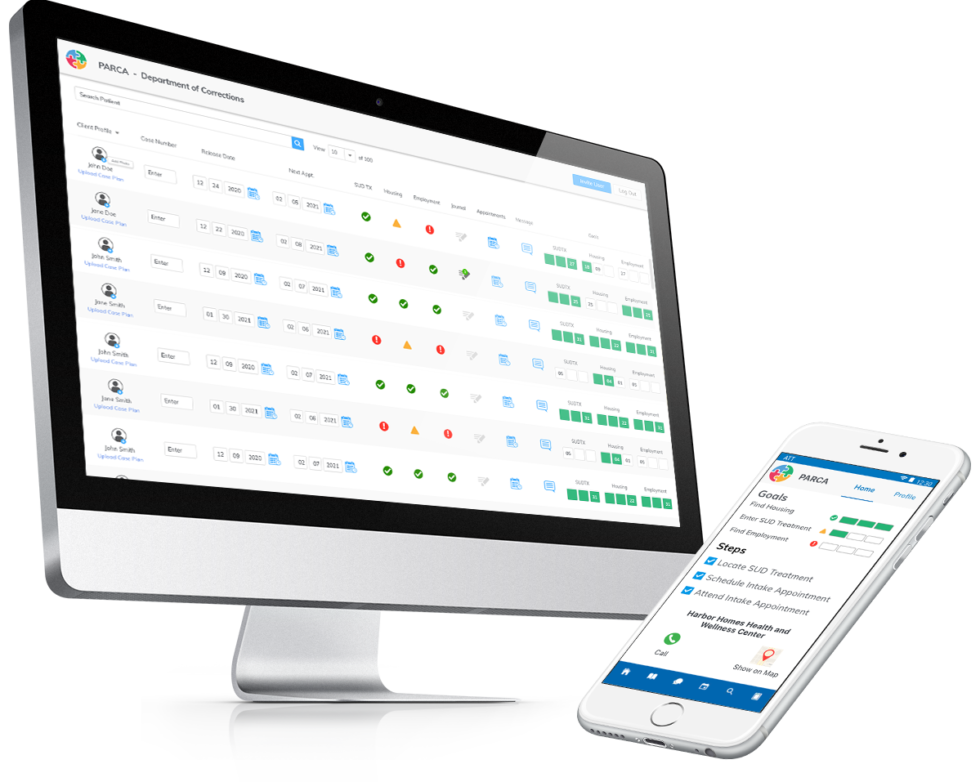
Despite these advancements, staying engaged in treatment remains one of the biggest challenges for individuals with OUD. This is where CMI’s technology-driven incentives platform plays a key role by reinforcing positive behaviors and improving adherence.